Program Committees
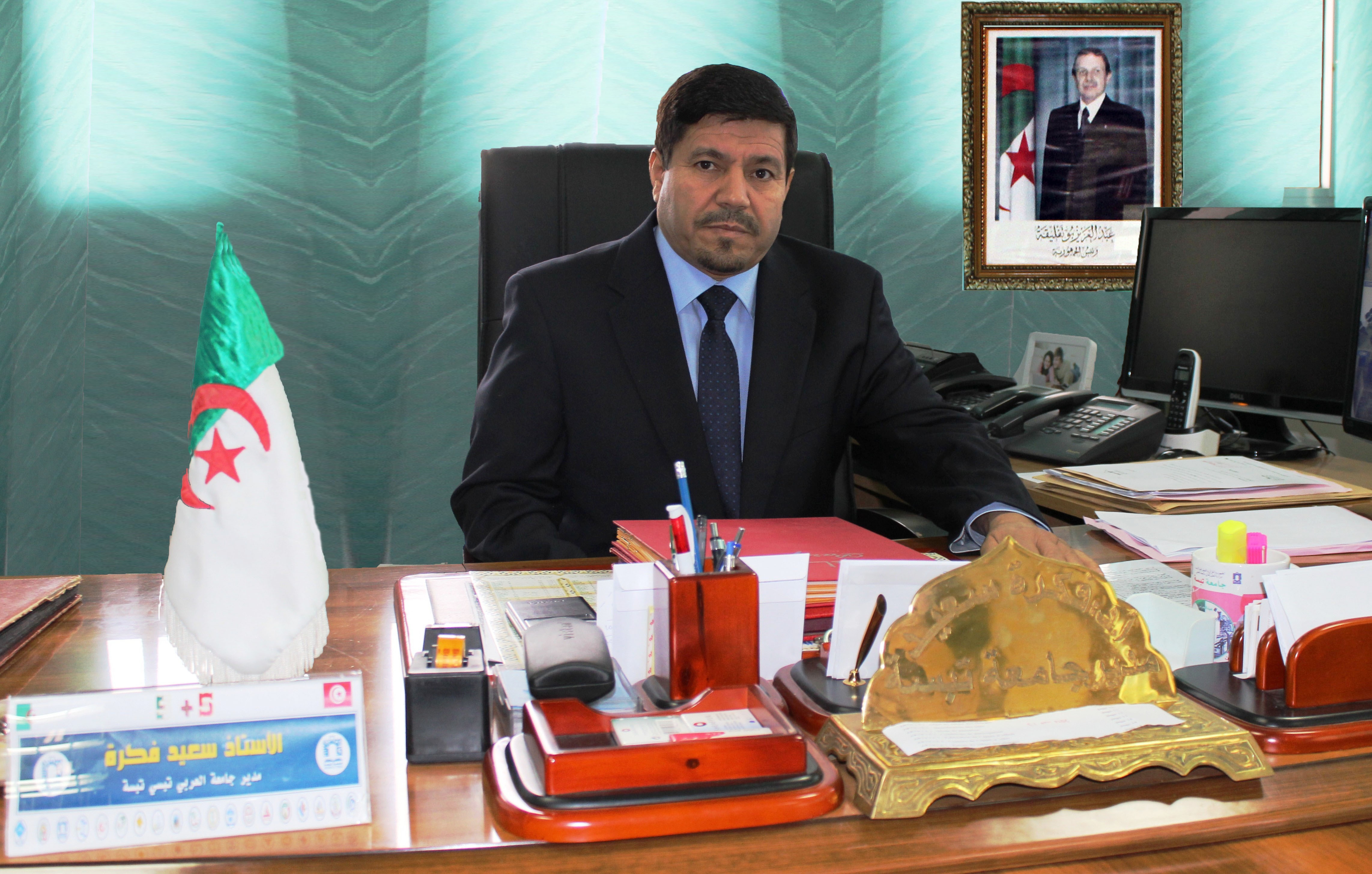 Honorary Chair
Pr Said FEKRA,
Rector of Larbi Tebessi University- <
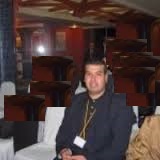 PAIS'15 General Chair
Dr. Derdour Makhlouf - Program chairs
- Chawki DJADDI
- Hakim BENDJENNA
- Makhlouf DERDOUR
- M. Ridda LAOUAR - Publicity Chair
- Gattal ABDELDJALIL
Sponsored by:

PAIS 2015 Venue
It declined in the 5th and 6th centuries ce and disappeared from history after the Arab invasion of the 7th century.
The Turks stationed a small military garrison there, and, after French rule began in Algeria in 1830,
Tebessa was developed as the easternmost of the Algerian gateways to the south.
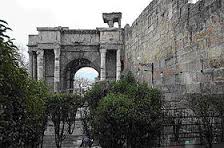
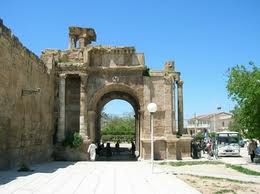
Dominating the town is a walled Byzantine citadel, comprising a square with 12 towers and 4 gateways.
To the north is a Roman quadric frontal arch erected during the reign of the emperor Caracalla (214 ce).
An outstanding Christian basilica stands 1 mile (1.6 km) north of the town centre. There are also ruins of a Roman amphitheatre, thermal baths,
and a temple of Minerva. In addition to working the phosphate mines of el-Kouif (northeast of the town), the town’s present-day inhabitants engage in trade,
especially in sheep, esparto grass, and grain, and also weave carpets.
We look forward to seeing you in Tebessa in PAIS conference.
Accomodations
Accommodation The organizing committee of PAIS 2015 has selected the El Amir Hotel and Mehaya Palace Hotel to accommodate the participants and the guests. There is a complimentary shuttle service from/to the airport and from/to Tebessa University.
El Amir Hotel and Mehaya Palace Hotel are located at the heights of Tebessa and offers a splendid view of the beautiful bay of Tebessa city. It is situated not far from downtown and is 5 km east from the airport Tebessa.